Build · Deploy · Sustain

Develop the product. We maintain the platform.

The Active-ESL Lifecycle Platform maintains board-specific Linux and Zephyr software with secure remote delivery, so product teams can focus on the application rather than the platform team.

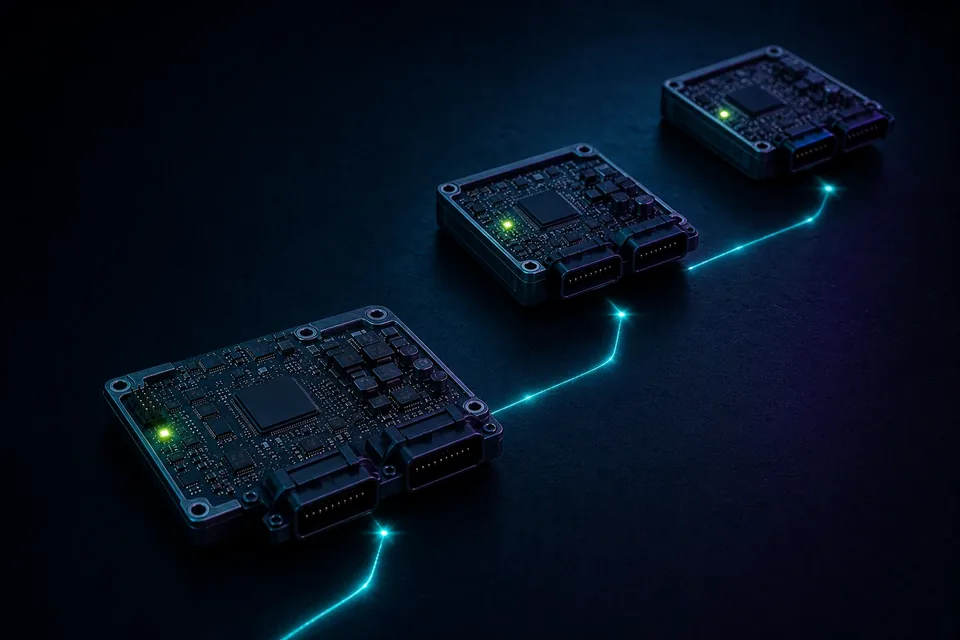
Connected Active-ESL platforms under lifecycle management

Service tiers

Choose the ownership model that fits your programme

01 / BUILD

Production foundation

Start with a board-specific software baseline that is ready for application development and industrialisation.

  • Board support package
  • Yocto/Linux or Zephyr baseline
  • Drivers and core diagnostics
  • Container or firmware application pattern
  • Manufacturing-image definition
03 / SUSTAIN

Lifecycle ownership

Maintain the deployed platform across an agreed product lifetime with programme-specific support.

  • Security update integration
  • Release testing
  • Long-term board maintenance
  • Obsolescence and migration planning
  • Custom response and support terms

Software paths

One lifecycle model. Two maintained OS stacks.

Silicon class drives the stack: application processors run maintained Linux; MCUs and i.MX RT crossover boards run Zephyr with a matching OTA path.

Yocto / embedded Linux

EDGE LITE and EDGE GATEWAY programmes use a customised Yocto/OpenEmbedded platform so you can develop on the board you will manufacture—without standing up an internal Yocto and platform-security team for the base system.

  • Board-specific Linux images for evaluation and volume
  • Customer applications in containers above the maintained base
  • FoundriesFactory and Linux microPlatform integration path
  • Secure remote system and container delivery

Zephyr / MCU and i.MX RT

Companion sensors, controllers and forthcoming i.MX RT boards use Zephyr where real-time behaviour, power and constrained footprints matter more than a full Linux application environment.

  • Zephyr for MCU and crossover programmes
  • i.MX RT board range on the product roadmap
  • Secure OTA updates using Mender
  • Fits sensing nodes, gateways’ companion MCUs and lean connected products

When to choose which

Match the OS to the workload

Choose Linux when you need rich networking, containers, multimedia or a full userspace. Choose Zephyr when the product is MCU-class, hard real-time, battery-led or too small for a Linux footprint—then keep the same Build, Deploy and Sustain ownership model.

Your application remains yours

On Linux, the customer application runs in a container above the maintained base. On Zephyr, your firmware stays distinct from the agreed board and update path. Active-ESL owns the platform layer you subscribe to; your team owns the differentiating product software.

Clear support boundary

Partners behind the delivery path

Lifecycle delivery uses proven open platforms so updates and maintenance stay practical across the product lifetime you agree with us.

Foundries.io technology partner

For Linux programmes, the Lifecycle Platform is designed to integrate FoundriesFactory and the Linux microPlatform for maintainable images and secure remote system and container delivery.

Why it matters

Connected-product security is an ongoing responsibility

Reduce specialist burdenAvoid building an internal Yocto, Zephyr-platform or security team solely to maintain the base system.
Deliver critical fixesMaintain a route for tested software and security updates to devices already in the field.
Keep releases controlledSeparate board-platform releases from customer application or firmware releases.
Plan the end of supportDefine product lifetime, migration triggers and responsibilities before deployment.

Lifecycle planning

Define support before devices reach the field.

We will map the board, OS path, application, update, compliance and lifetime requirements into the right Build, Deploy and Sustain scope.